15 JUL 2026
One of the things that defines AIR RACE X is the racetrack - and how the pylons or markers are arranged.
Unlike a fixed circuit built on the ground, air racing can design racetracks suited to the terrain and each situation. Markers are laid out to represent pylons the pilots need to fly through.
For race 1 and 2 the markers are laid out in the exact same positions however the sequence they are flown changes. Pilots must pass through these markers which are called gates in the correct order. The racetrack can also incorporate 3 types of reversal turns. High turn means they need to fly over 500ft, a low turn over 250ft and an unrestricted turn which can be flown at any height which is safe.
For Race 2, the marker layout is exactly the same as Race 1, however the gate order and the types of reversal turns are different. For the pilot this becomes a completely different racetrack, something unique to AIR RACE X.
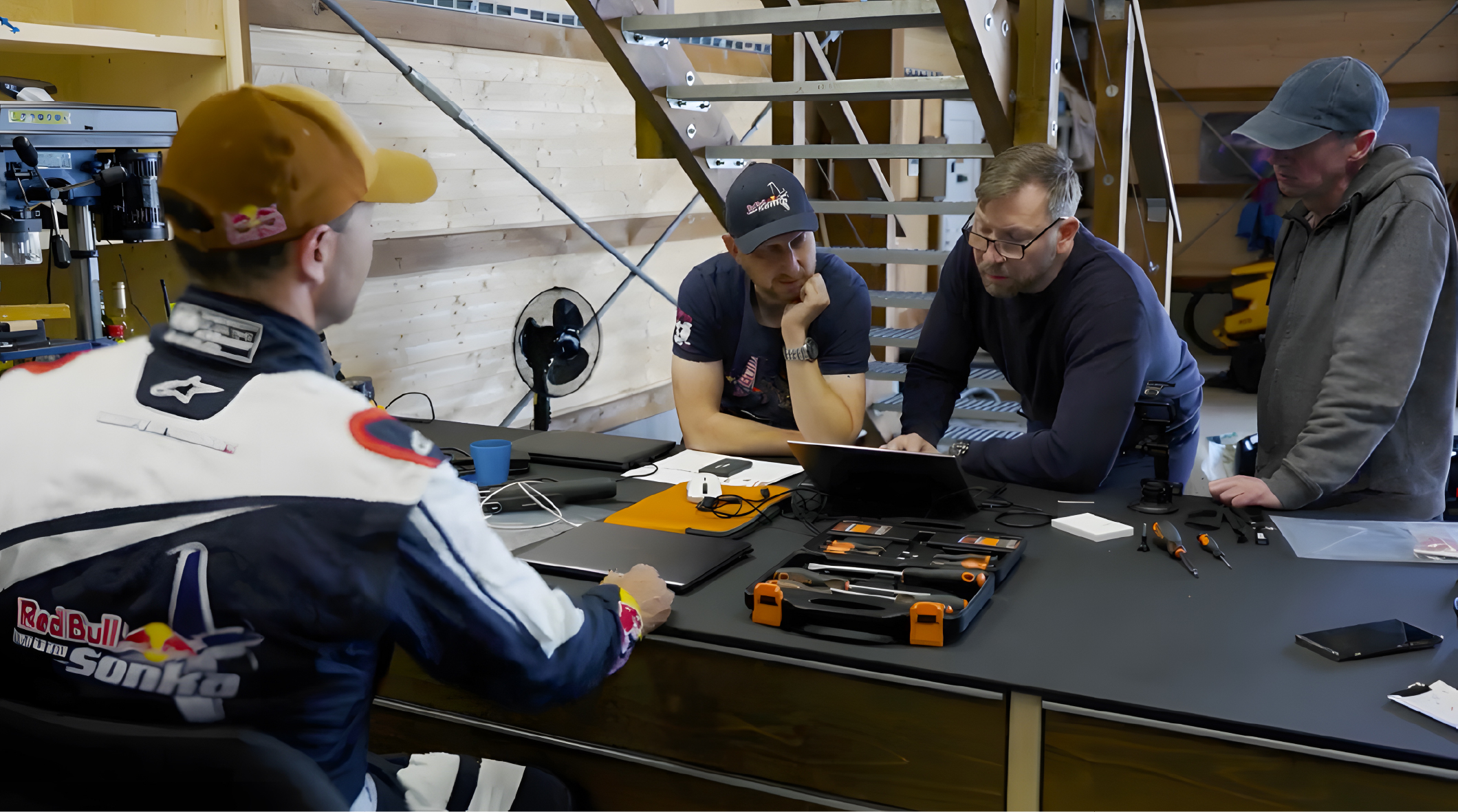
Race 2’s racetrack is built from five markers (A–E), which the pilots take in a set sequence for a total of 15 gates. Starting from Marker A (the start / finish marker), marker B, C, D and E are laid out in a zigzag at 200 m intervals.
The reversal turns are where strategies are important. Turn tight by pulling maximum G’s and on paper it looks like the fastest line. In reality, the high G loads also bleeds off speed, puts greater stress on the pilots, and are harder to fly precisely. Taking a wider arc which takes more time to make the turn allows the aircraft to pull less G’s, which in turn prevents speed loss. Everything is a trade off and there is a lot of skill in finding the fastest lines around these reversal turns. You will see throughout the race individual team strategies.
A maneuver that climbs vertically and reverses. Also called the vertical turn maneuver (VTM), it requires a minimum altitude of 500 ft (about 150 m). The aircraft is inverted through the second half of the turn, and rolls upright while flying as directly as possible towards the next gate.
A maneuver that turns in the horizontal plane. It requires a minimum altitude of 250 ft (about 75 m). And unlike the high turn, where the G’s eases off at the top, the low turn keeps heavy G’s on the pilots body all the way through.
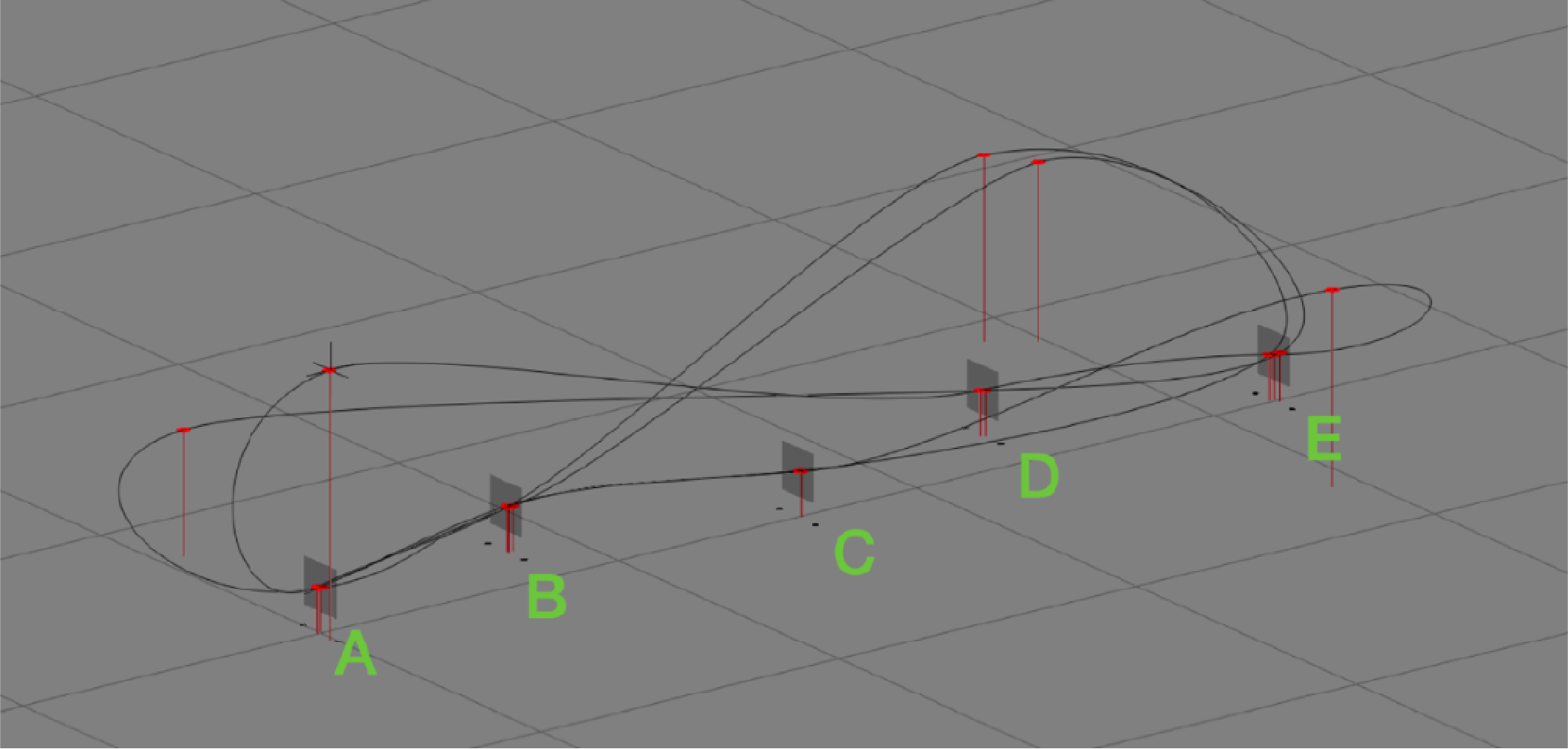

Race 1 was a “vertical race” - three high reversal turns climbing straight up. Race 2 features four low reversal turns in the horizontal.
Same gate layout. Same aircraft. Same pilots. And still a completely different set of problems and strategies to solve - that is the design of the Race 2 track.
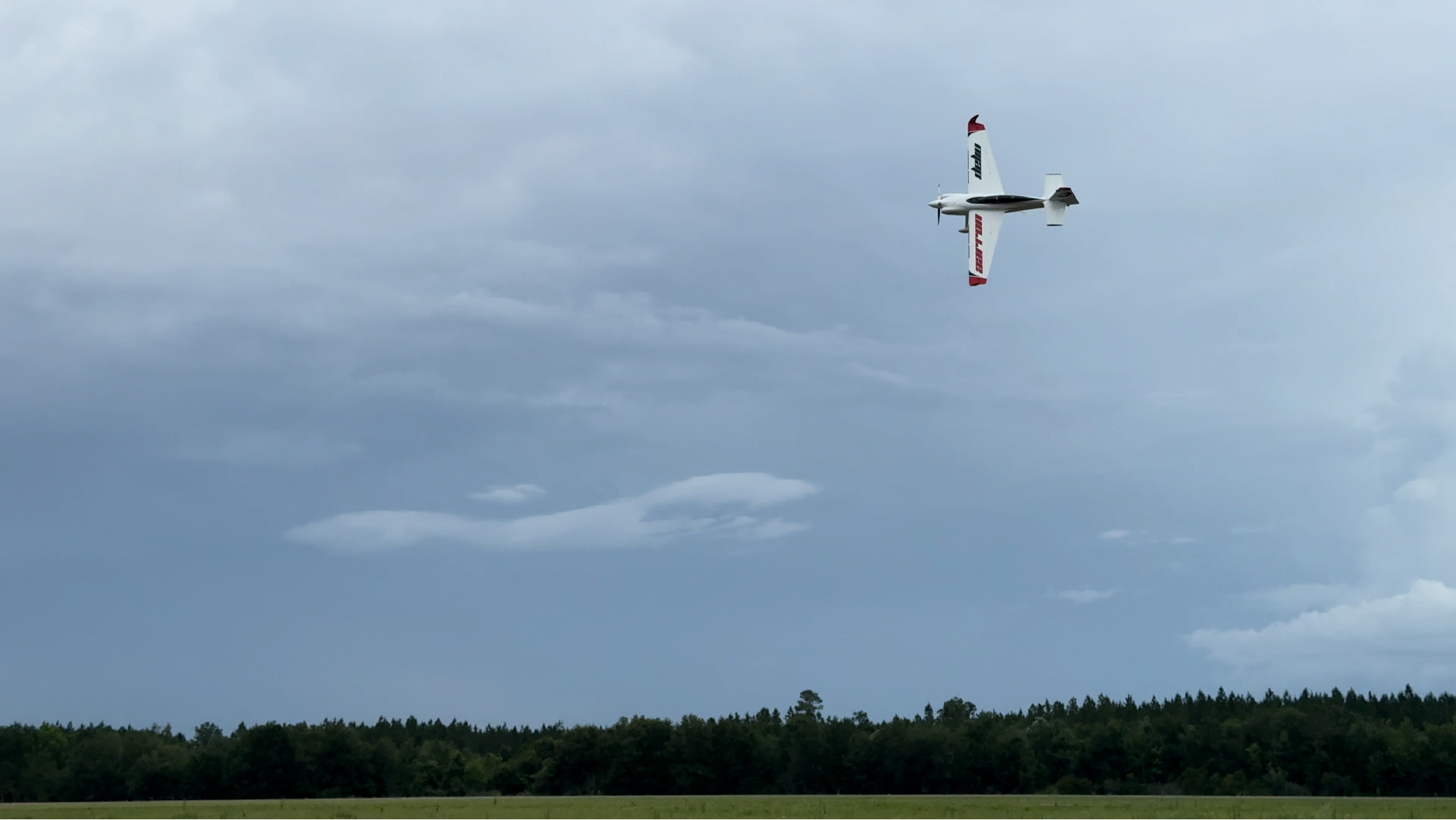
In the low turn the pilot can not convert height to speed as they can with the high turn. The fastest line is staying as close to the minimum 250ft while pulling the maximum G. The pilot must find the best balance while turning 180 degrees in this diagonal maneuver. A precision turn under extreme G is the strategy all teams are aiming for. Race 2 requires the physical endurance to keep focused throughout all these high G turns. Each track has its own challenges.
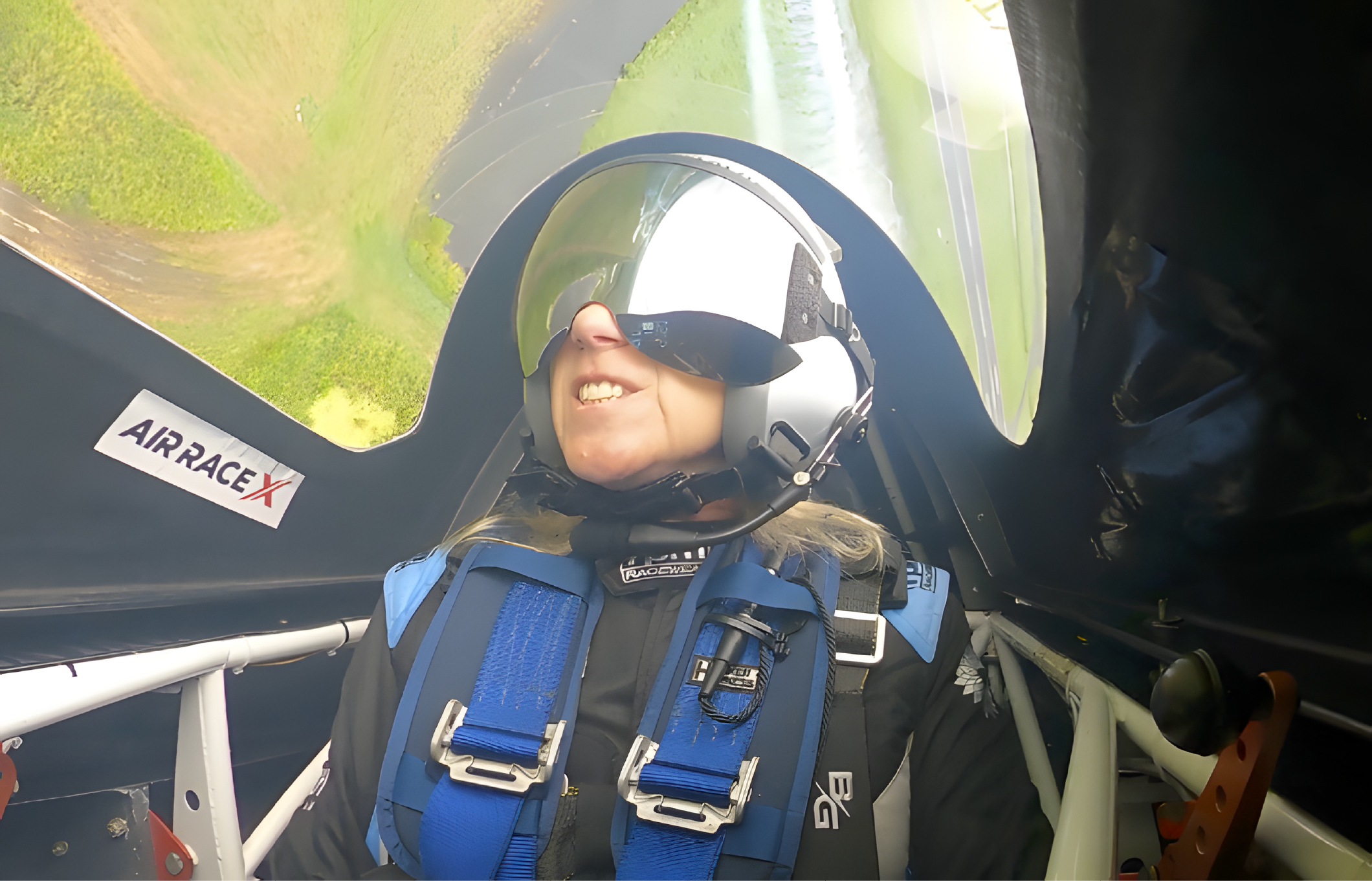
Amid the run of low turns, the track incorporates a single high turn at the midpoint. Strategies change a little where exchanging height for speed can create a gap on the clock.
The tactic that was a weapon in Race 1 - acceleration out of the high turn has changed in Race 2. Same marker layout yet a single change in how the track is composed creates a massive difference to the pilots’ strategies. Changing the angle into each gate and energy management to gain the fastest times. The more you look, the more there is to see. This is AIR RACE X.
Race 2 streams on the official AIR RACE X YouTube channel from 21:00 Japan time (JST) on Sunday, 19 July.