12 AUG 2026
The AIR RACE X racetrack changes with every race. Race 1 was built around the high turns. Race 2 strung together low turns, a battle against sustained G.
The theme of Race 3 is speed itself.
On paper the racetrack looks simple, five gates staggered over 800m. For race aircraft flying at speeds of 400 km/h, a 100 meters is covered in less than a second. Every decision, every control input happens at that speed. Behind a layout that looks simple, navigating turns to get the fastest times requires astonishing reflexes.
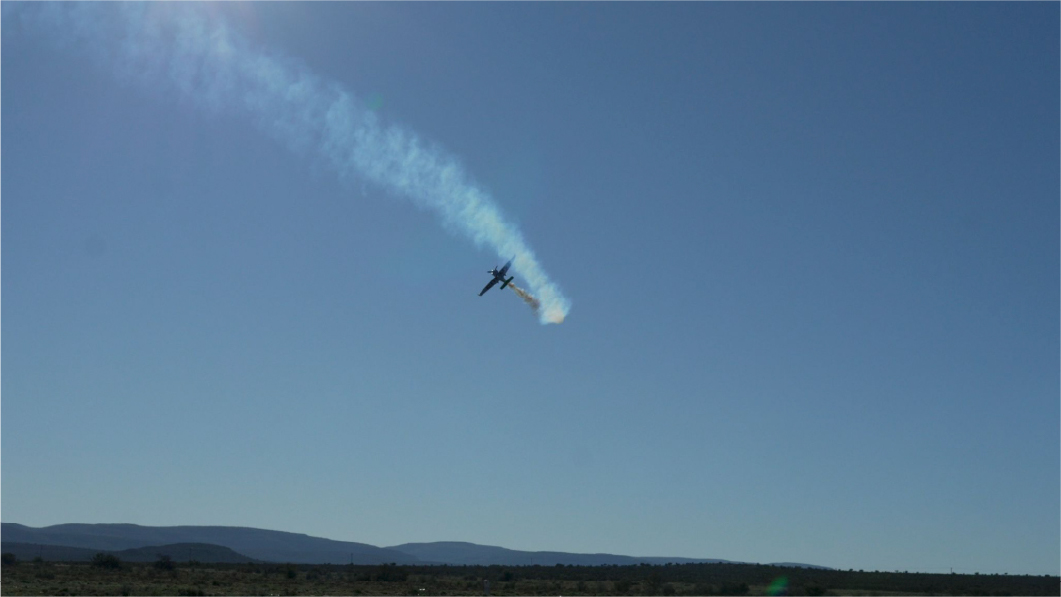
Race 3's racetrack is 800 m long. Fully accelerated, the aircraft carries that speed down the track and into a high vertical turn. Pulling back on the stick pushes the pilots hard into their seats as they force the plane in the opposite direction. The limit is 12G’s which at these speeds is easy to exceed.
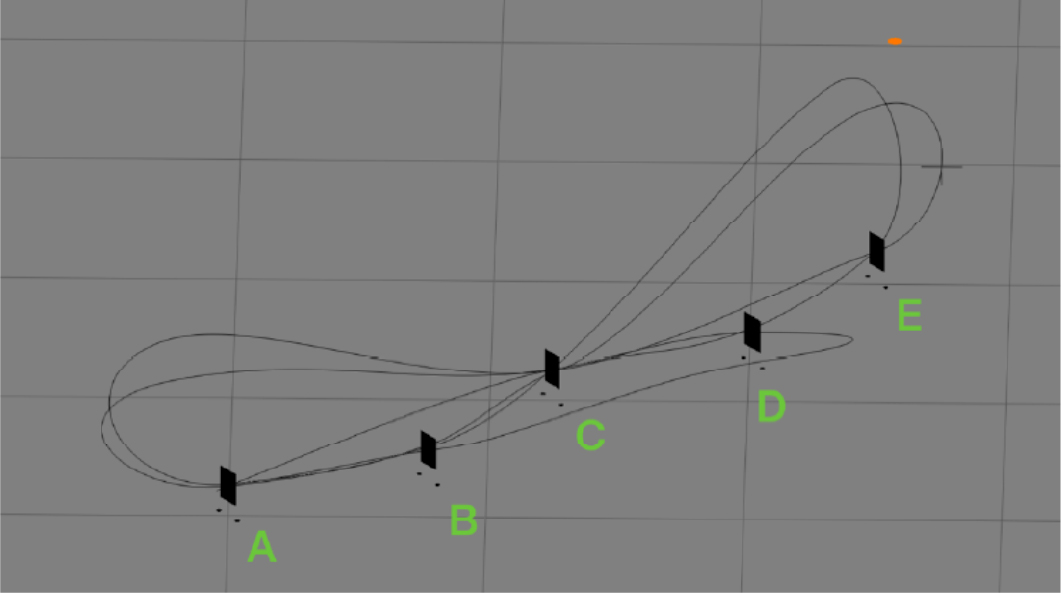
The racetrack is built from five markers laid out in a zigzag at 200 m intervals, forming a 800 m long track from Marker A to E. The pilots pass through these five points a total of 15 times.
What gives Race 3 its character is the order those five points are connected and where the turns are placed.
Two high turns and two low turns. Race 1 leaned toward vertical maneuvers and Race 2 toward horizontal ones, but Race 3 demands both in equal measure. Being strong in only one is not enough to win.
For how the markers and gates work, see the [Race 1 guide]. For the difference between high and low turns, see the [Race 2 guide].
| Gate | Pylon | Pylon | Type |
|---|---|---|---|
| 1(Start) | A | 0 | |
| 2 | C | 0 | |
| 3 | D | 0 | |
| 4 | E | 0 | High Turn |
| 5 | B | 180 | |
| 6 | A | 180 | |
| 7 | C | 0 | |
| 8 | D | 0 | Low Turn |
| 9 | B | 180 | |
| 10 | A | 180 | Low Turn |
| 11 | C | 0 | |
| 12 | E | 0 | High Turn |
| 13 | C | 180 | |
| 14 | B | 180 | |
| 15(Finish) | A | 180 |
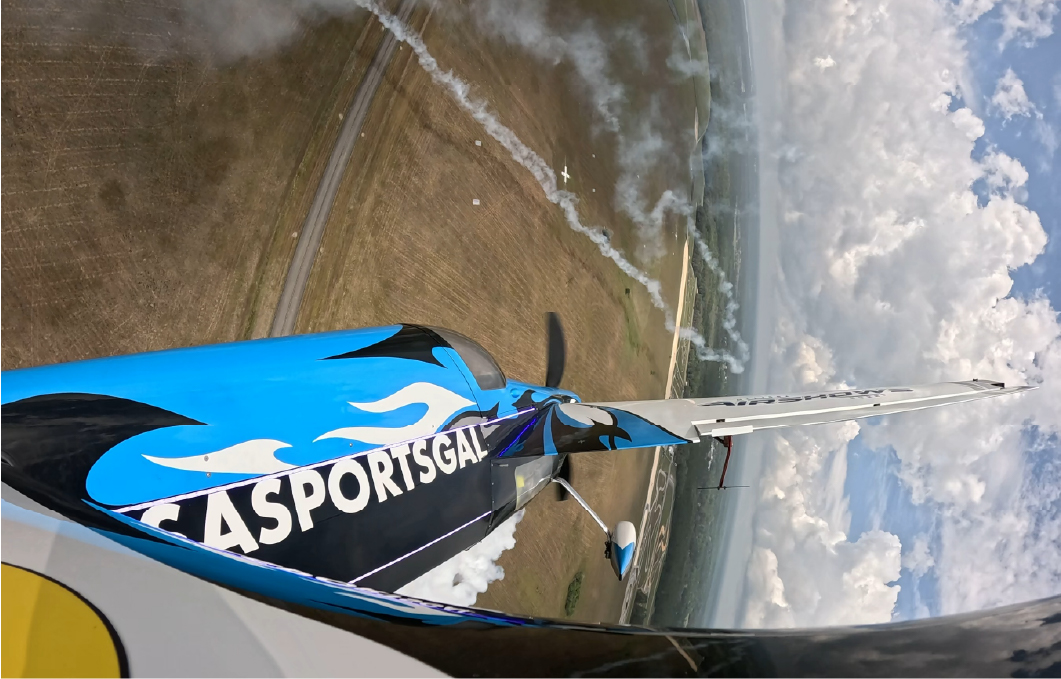
The simulated target time is 62.7 seconds. In that time the pilots fly 15 gates - on average, one every four seconds, covering the distance of a marker (200m) in less than 2 seconds. Once at the end of the track they need to change direction and head back to the next gate a total of 5 times before finishing where they started.
So what is the pilot doing in those few seconds?
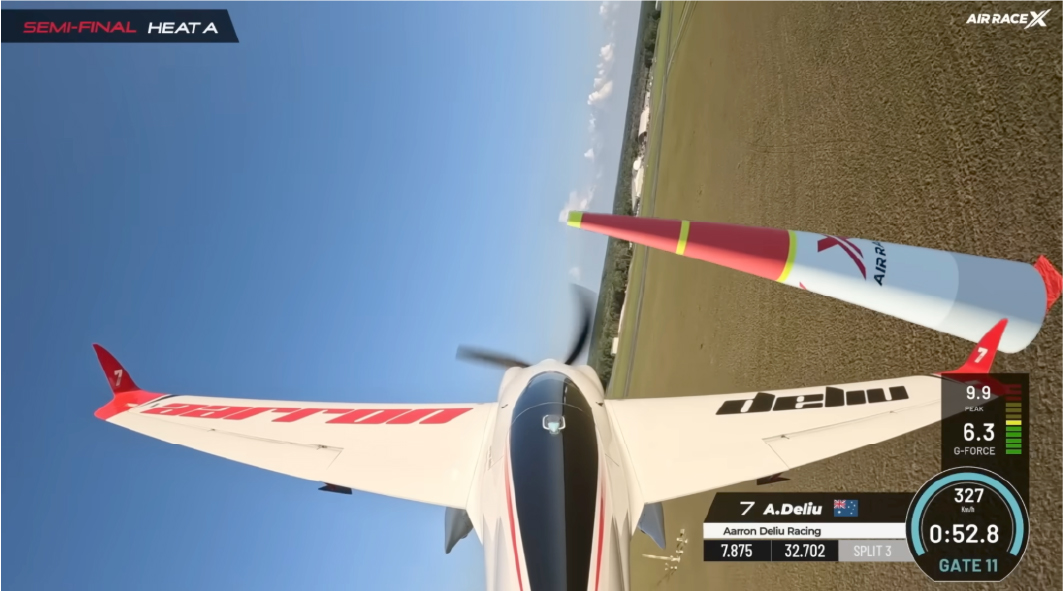
There are no physical gates in the sky. By using the markers on the ground as reference, the pilots learn where the limits are and how to pass through the gates without penalties. They use these references to time each turn and direction, lining up the nose angle and altitude to fly within the gate. Doing all this while pulling G and lining up for the next gate.
There is a lot happening all at once in 3 dimensions, you will never see in other motorsports. This is the world of air racing. This is AIR RACE X
Straight off the start comes the 800 m straight line. From the start-gate the speed limit of 372km/h the aircraft accelerates to nearly 400 km/h into the Gate 4 high turn.
The sharp vertical pull-up the high turn demands precise control without going over-G. Turning tightly saves time however that requires G’. Exceed 12G for a split second, and it is an instant DNF.
Pull gently and the arc widens, losing valuable time.
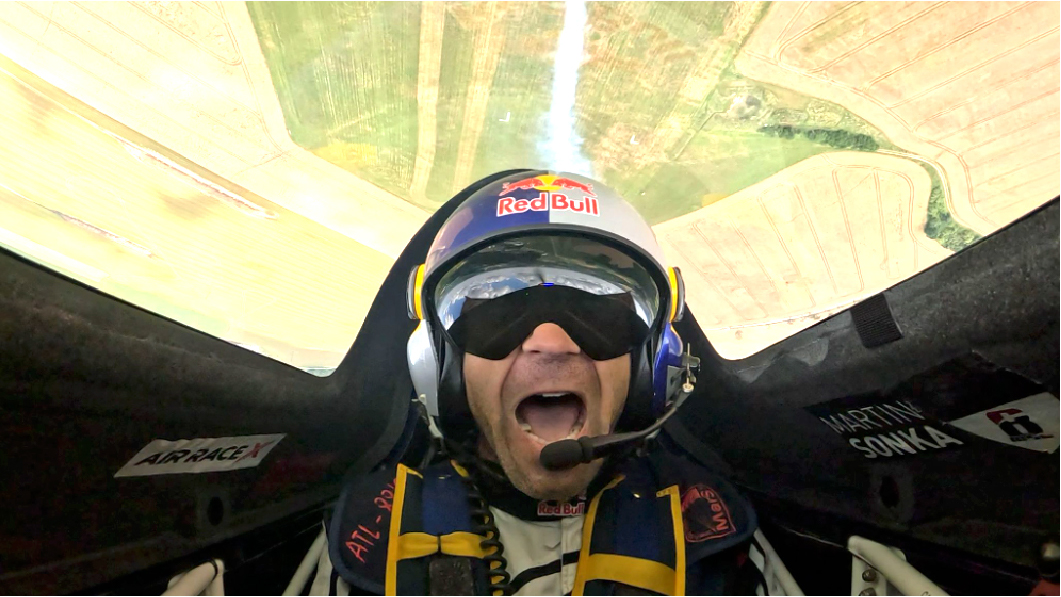
At nearly 400 km/h: there is no time to check the instruments. The only reference the pilot has is their muscle memory and what they feel in the seat of their pants. This is a moment at the very edge of human limits.
Out of Gate 4, the aircraft charges back down the racetrack to Gate 6, where a low-level reversal is waiting. Then at Gate 10, mid-track, comes a low turn where pilots navigate the turn above the minimum of 250ft or it's a penalty. Exceed the G limit and it is a DNF. This is a section squeezed between two limits at once, control the G and control the altitude.
The smallest difference in line decides a result measured in fractions of a second. The winner of Race 3 will be the pilot who performs at the boundary limits without stepping over.
Race 3 of AIR RACE X 2026 streams on the official AIR RACE X YouTube channel from 21:00 Japan time (JST) on Sunday, 16 August.