09 SEP 2026
NEWThe AIR RACE X racetrack changes with each race. Race 1 was built around the high turns, Race 2 consisted of several low turns producing high G’s, and Race 3, was a high-speed challenge through the gates. Race 4 track is combining these skills to give the ultimate challenge to the pilots and teams.
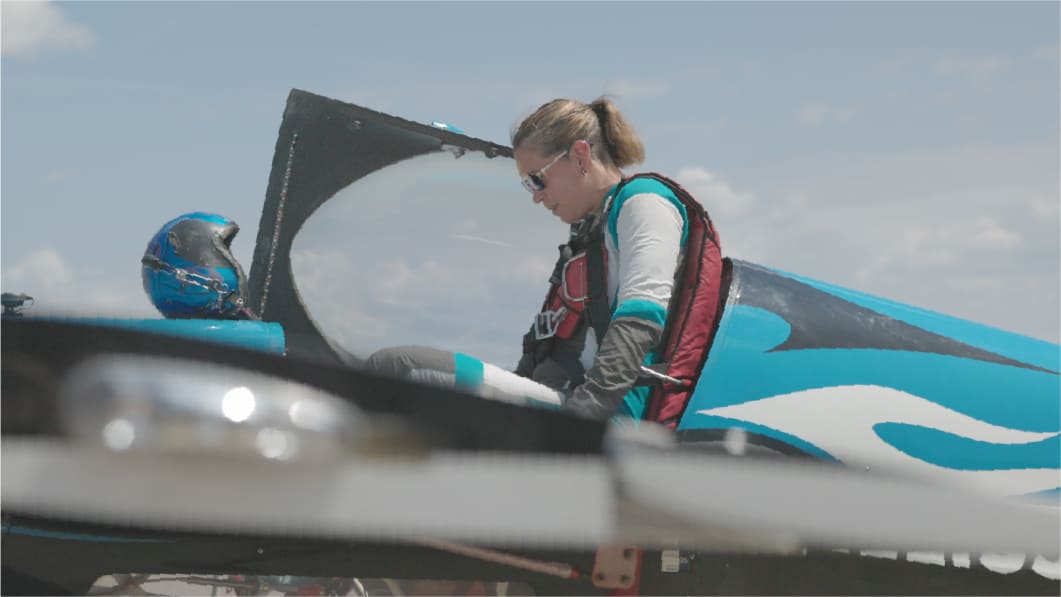
On paper there are the same five sets of pylons as before, however Race 4 connects these pylons tighter than any racetrack so far, ensuring viewers the thrill of watching true masters of the air in action.
The first key is the chicane from the start to Gate 5, fly it as smoothly as possible using the shortest line, and carry that momentum into the high-speed high turn at Gate 5. From Gate 7 to Gate 10 comes a low turn at full speed, then on to a string of reversals, precise lines through this section decide the result.
From start to finish the pilots are testing their limits, it is not a single maneuver, but a series of good decisions linked together.
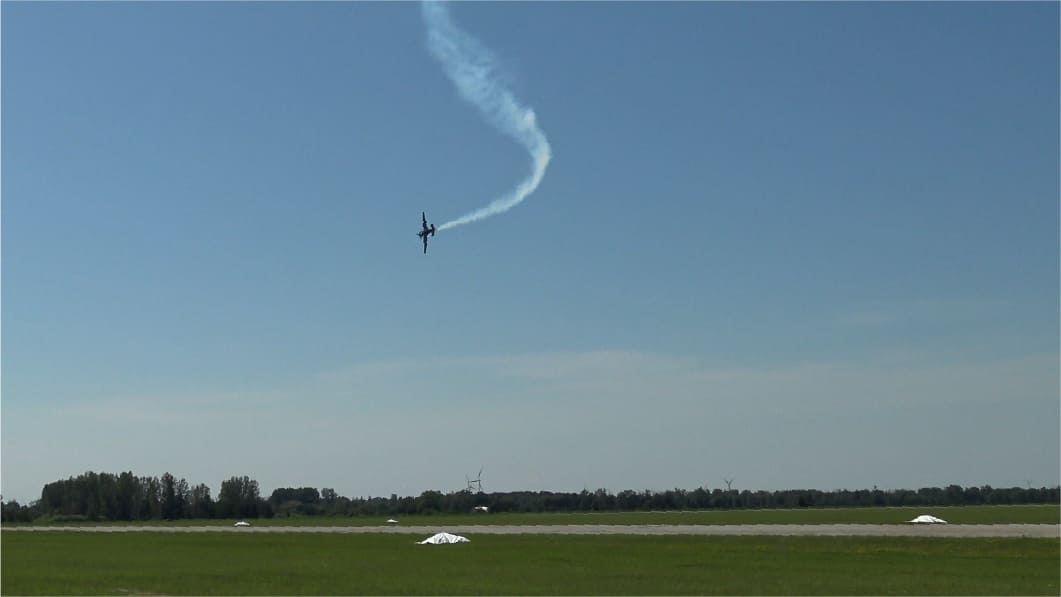
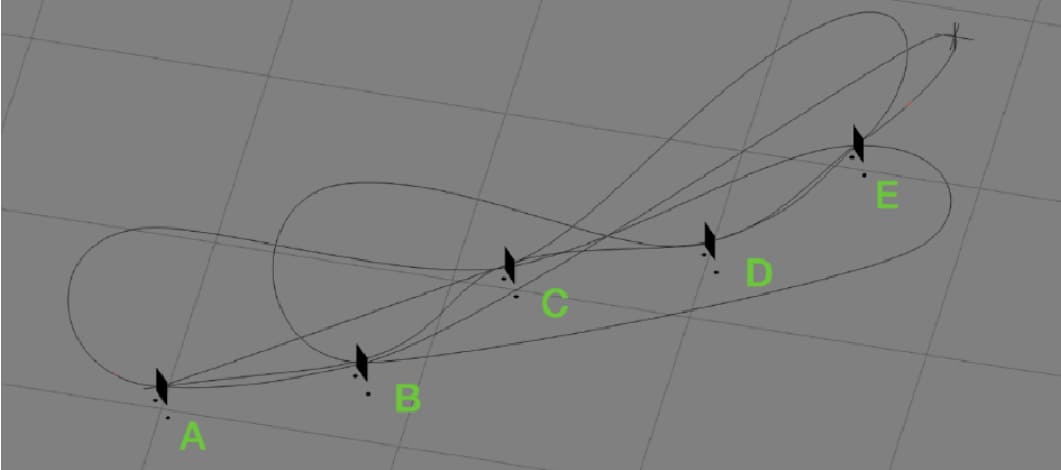
The racetrack is built from five gates (A to E). Starting from Marker A, the start/finish gate, markers B, C, D and E are laid out at 200 m intervals for a total length of 800 m. A, C and E sit on a single straight line. Only B and D are offset slightly to the side. Pilots pass through these five gates a total of 14 times.
Two high turns and two low turns, the same split as Race 3. But where Race 3 asked pilots to accelerate down a straight, Race 4 requires them build that speed while navigating the chicane.
For how the markers and gates are constructed, see[Race 1 guide]. For the difference between high and low turns, see the [Race 2 guide].
| Gate | Pylon | Heading | Type |
|---|---|---|---|
| 1(Start) | A | 0 | |
| 2 | B | 0 | |
| 3 | C | 0 | |
| 4 | D | 0 | |
| 5 | E | 0 | High Turn |
| 6 | B | 180 | |
| 7 | A | 180 | Low Turn |
| 8 | C | 0 | |
| 9 | E | 0 | |
| 10 | B | 180 | Low Turn |
| 11 | D | 0 | |
| 12 | E | 0 | High Turn |
| 13 | C | 180 | |
| 14(Finish) | A | 180 |
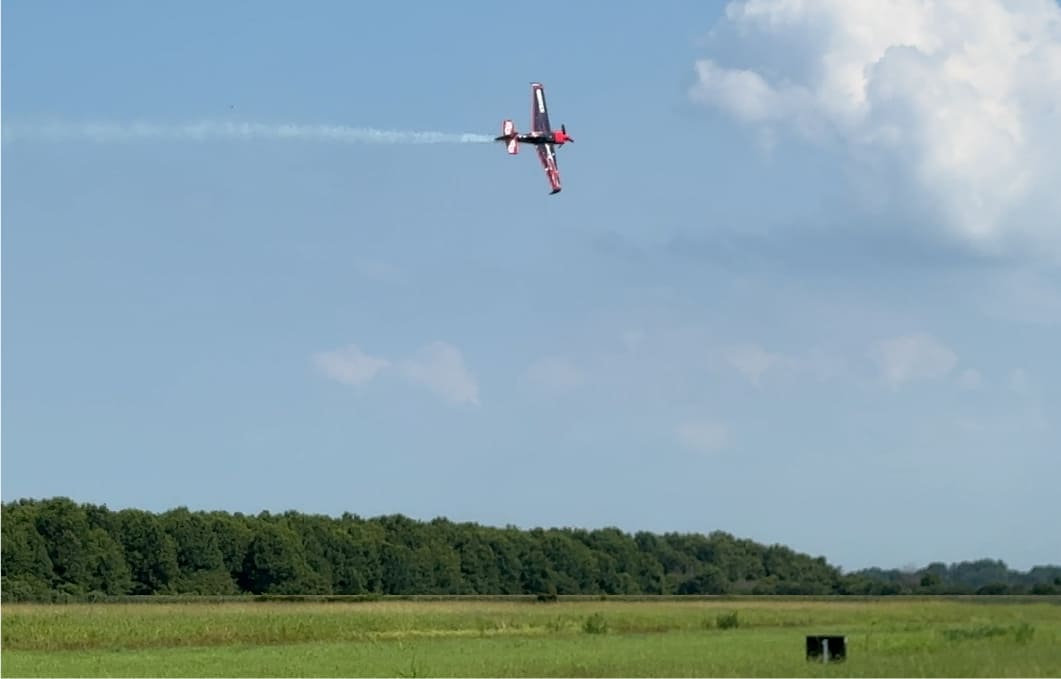
The racetrack runs as a single line from marker A the start gate, out to E, 800 m away. Pilots fly back and forth using reversing turns to change direction five times.
On the outbound leg, from the start to Gate 5, they pass through all five markers in order. Because B and D are offset, the aircraft must navigate left and right through the chicane.
Midway through the race there is a stretch where pilots pass through only A, C and E. Those three markers sit on a straight line, so the airspace becomes an 800 m straight sprint.
The skill is racing the smoothest line while setting up for the next gate, ensuring the shortest path is flown. Entering at the wrong angle means the turn either becomes tight, bleeding off speed, or it balloons requiring more distance to cover therefore adding time to the clock.
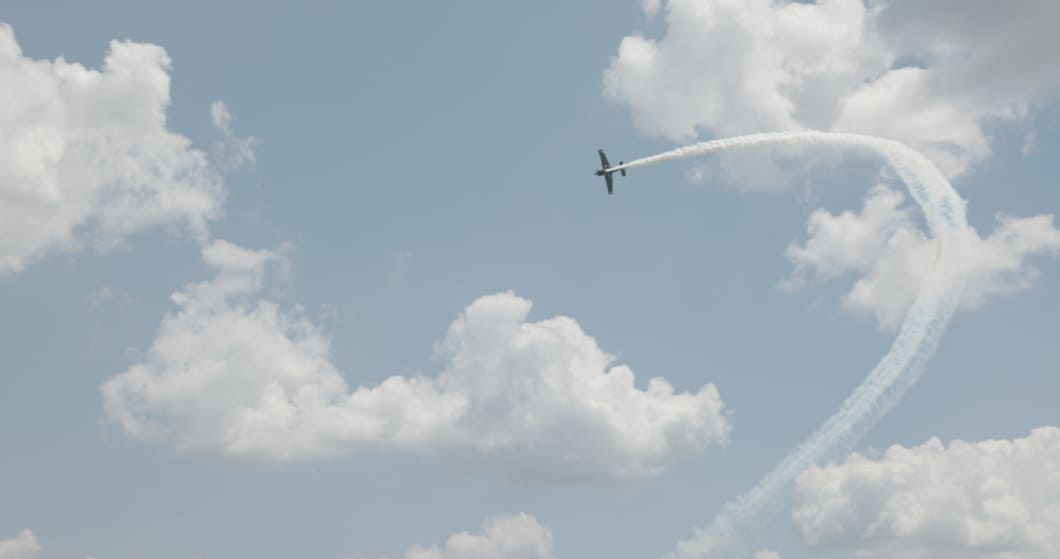
Out of the chicane, the aircraft carries full speed straight into the Gate 5 high turn.
How much G the aircraft pulls comes down to how hard the pilot pulls back on the stick, the rules limit 12G’s pulling higher than this is an instant DNF. Not pulling enough Gs and the aircraft travels high taking longer to return to the track.
The pilots train to become G tolerant and innately feel the forces on their bodies. With incredible skill you will often see them pulling over 11.5G, for a split second, enough to get them around the high turn quickly without penalty.
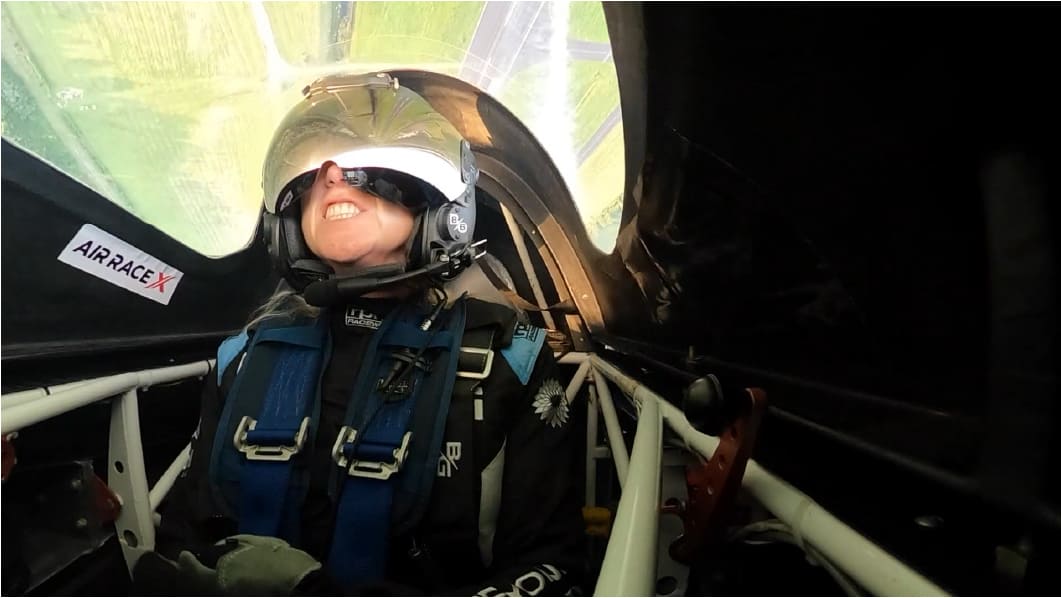
A reverse turn at Gate 5, the aircraft then charges the full length of the racetrack with no turn arrives at Gate 7 for a low turn at the peak of its speed.
The strategy for a low turn is different from a high turn, flight is as low as 250ft to ensure there is no penalty. Where the high turn climbs to reverse direction, the low turn remains low all the way through. Combining these limits ensures a fast-paced time.
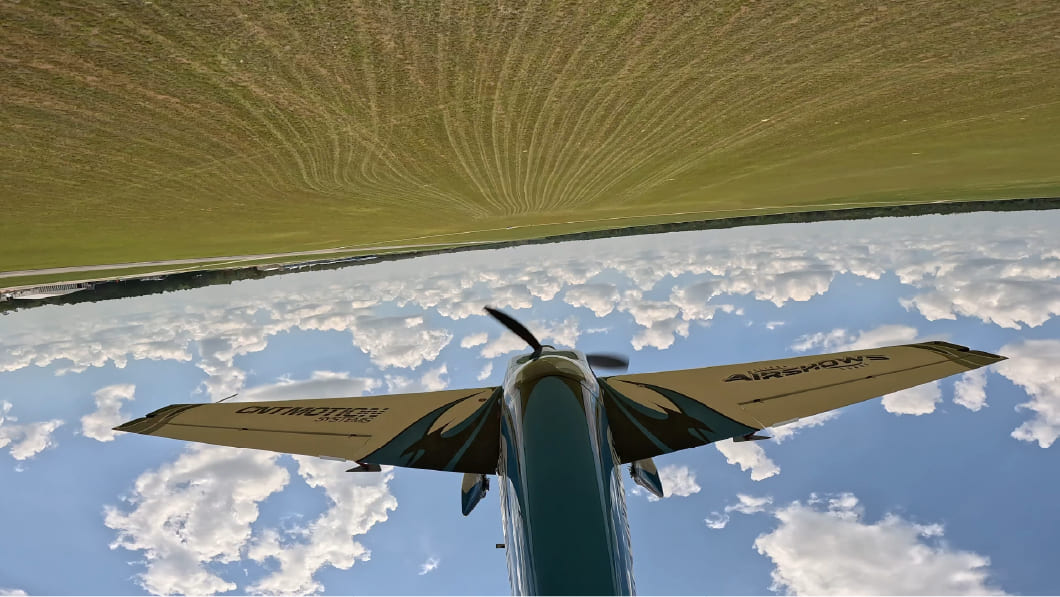
Once complete it is a straight sprint 800 m to the end of the track, then another low turn, and immediately after that a high turn. This is where preflight preparations are shown on the clock as at the race moment there is no time to think, only fly.
This run of reversals demands precise line choices on a racetrack where the turns never stop, the fastest time in each section does not add up to the fastest time overall. Somewhere, a pilot must deliberately ease off and set the aircraft up for what comes next. Where each pilot makes that trade-off varies, which is why in Race 4 every pilot’s line looks different.
Pilots and teams will use several techniques that help them fly the best lines before each flight, through visualizing, writing, or using AIR RACE X flight path analyzer. In a world of 400kph 12G of forces, the smallest difference decides the winner. Results are measured right down to 1 thousandth of a second.
Race 4 of AIR RACE X 2026 streams on the official AIR RACE X YouTube channel from 12:00 UTC on Sunday, 13 September.